THE TUSPIPE BLOG

You can read a lot about steel pipe here and find the right one for you!

Welcome to the professional steel tubing manufacturer‘s blog area.
Here, we will scarf about all the production/standards etc. related to oil pipe steel tubing. Whether you are a professional steel tubing industry practitioner, or someone who is curious about our products. Our blog can be the answer for you.

For those who like to be technical, our blog provides a treasure trove of data, not only the required specification data of various standards, but also our inspection data, and test data. In-depth analyses of the data indicators, test results and performance indicators of different tubes demonstrate the excellent performance of the steel tubes we produce. We only provide facts!


Steel Tubing & pipe schedule chart - specifications

Carbon Steel vs Stainless Steel Pipe

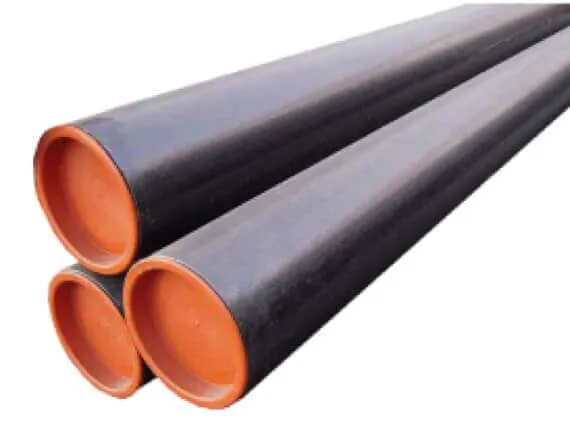
Introduction Engineers and builders decide which pipe to use for building work: carbon steel or stainless steel. Both pipes can carry liquids and gases efficiently. Accurate information is key to making an appropriate choice.In this article, we cover both these pipes and when to use which one in your project. We also discuss the strengths and weaknesses of both materials. What Are Carbon Steel Pipes? Carbon steel pipes are manufactured from carbon steel, which is composed of iron and carbon. It is produced using either steel bars or steel billets.
Read More »

Types of Carbon Steel Pipe

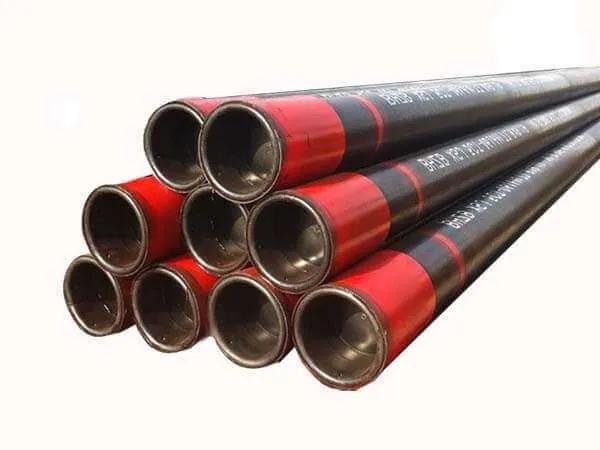
Introduction Carbon steel pipe is commonly used for construction, oil and gas, power generation, water transportation, and manufacturing. Carbon steel pipe is mainly made up of iron and carbon. Carbon content determines the strength, hardness, and ductility of the pipe. Most carbon steel pipes have a carbon content of 0.04% to 2.1%. Carbon steel pipes are available in many dimensions ranging from 1/2-inch NB to 36-inch NB, with different nominal wall thicknesses, such as SCH 40, SCH 80, and SCH 160. This article discusses the types of carbon steel pipe.

Read More »

Top 10 ERW Pipe Manufacturers

Introduction The emerging demand for Electric Resistance Welded (ERW) pipes stems from their importance in industrial piping systems. These pipes serve an important function in modern industrial infrastructure. The main features of these pipes involve dimensional accuracy, good surface finish, and affordability. Manufacturers are now focusing on advanced welding technology. They are more interested in advanced manufacturing systems. Ensuring supply chain stability makes it more challenging to select the right ERW pipe manufacturer. The content below highlights the global ERW pipe industry and reviews 10 of the leading ERW pipe

Read More »

Difference Between API 5L and ASTM A106

Introduction Steel pipes are applied in different sectors to transport oil, gas, steam, and water. The two standards, API 5L and ASTM A106, can be compared because they have nearly identical applications. There are differences in the application of API 5L and ASTM A106. The API 5L is suitable for pipelines, while the latter is for high-temperature applications. Scope of Application The biggest distinction between API 5L and ASTM A106 is their uses. API 5L is a pipe made from steel and used in transporting natural gas, oil, and water

Read More »

TUSPIPE Achieves ACRS Certification | CNAS + AS1163 Steel Pipe Meets Australian Market Standards

As quality requirements for steel in Australian construction, infrastructure, and engineering projects continue to rise, ACRS (Australian Certification Authority for Reinforcing and Structural Steels) certification has become an essential passport for entering the Australian market. As a specialized carbon steel pipe mill, TUSPIPE has successfully obtained ACRS certification; our manufactured steel pipes comply with the AS1163 standard and have received accreditation from the CNAS national laboratory, ensuring our products fully meet the rigorous demands of the Australian market. What is ACRS Certification? Why is it So Important? ACRS is Australia’s

Read More »

Differences Between ERW Pipe And DSAW Pipe

Steel pipes are now used everywhere most of the time. Many industries, such as water, gas, and oil, depend on these strong pipes. Two common types of steel pipes are ERW and DSAW. They might look similar at first, with a strong seam along the pipe, but they differ in how they are formed and used. This guide explains simply what ERW pipe and DSAW pipe are. You will look at how these pipes differ in terms of process, size, testing, and use. At last, you will know when to

Read More »

The Life Expectancy of Galvanized Pipe

Introduction Galvanized pipes are “steel or iron” pipes that have been coated with “zinc”. Carbon steel coated with zinc is used to manufacture this pipe. The zinc layer prevents the steel pipe from corrosion. Galvanized pipes are widely used in water systems and structural projects. Galvanized pipes are also widely used in industrial fabrication and outdoor infrastructure. The lifespan of galvanized pipe is a key consideration when planning a project. This is a challenging question about galvanized pipes and how long they can stay in different environments.It is necessary to

Read More »

Top 10 Carbon Steel Pipe Manufacturers

Introduction Seamless and welded carbon steel pipes are common across many industries. These pipes have high strength and reliability. There are many manufacturers in the market making these pipes at competitive prices. Carbon-steel pipes have different carbon contents. The higher carbon content makes these pipes more tolerant of high temperatures and pressure. It is very important to choose the right manufacturer when purchasing the best-quality carbon steel pipes. Here is a list of the top 10 carbon steel pipe manufacturers, including their products, specifications, and application details. So, you can

Read More »

Difference Between Carbon Steel Pipe and Galvanized Steel Pipe

Introduction Steel pipes can be used for many purposes, such as carrying water and in construction. Carbon steel pipe and galvanized steel pipe are two examples of steel pipes utilized today. This article tells the difference between these two pipes, as each type has its own strengths and weaknesses. Material Composition Iron and carbon are the two constituents of carbon steel pipes. The sum of all the other alloying materials is less than 2 percent. It is very strong but does not withstand corrosion due to its limited alloy content.

Read More »

Learn About Tuspipe

Tuspipe: Unrivaled Steel Tubing Since 1998

More than 20 years of production experience makes us must be a professional steel tubing manufacturer.

Quality Standards Across the Globe

Our commitment to excellence is evident in our adherence to ASTM, EN, AZ-NZS, ensuring reliability in every project.

Certifications Reflecting Excellence

Tuspipe holds ISO 14001, ISO 9001, and ISO 18001 certifications, showcasing our dedication to environmental responsibility, quality management, and occupational health and safety.

Precision Assurance through In-House Lab

Rigorous testing throughout production ensures every Tuspipe steel pipe meets the most demanding quality standards.

FM Approved and UL Listed: A Seal of Quality

Tuspipe sell FM and UL certified pipes. These esteemed endorsements highlight the superior quality of our steel tubing.

A Legacy of Excellence

Since 1998, Tuspipe has been synonymous with innovation, quality, and customer satisfaction. Our steel tubing don’t just signify products; they embody a legacy and promise a future built on excellence.

Products

LINE-PIPE-PIPELINE
Line Pipe
OCTG-supplied
OCTG
FIRE-PIPE-ASTM-A795-Grade-A​-sprinkler-pipe-supplied-by-Tianjin-United-Steel-Pipe
Sprinkler Pipe
Piling-pipe
Piling Pipe
shows-a-piling-pipe
Structural Pipe
Torque-tube-supplied-by-Tianjin-United-Steel-Pipe
Torque Tube
shouldered pipe
Shouldered Pipe
pipe connections types
Pipe Fittings
Scroll to Top

Get A Quote Now

Fill in the form below and our team will be happy to assist you


    Please prove you are human by selecting the truck.