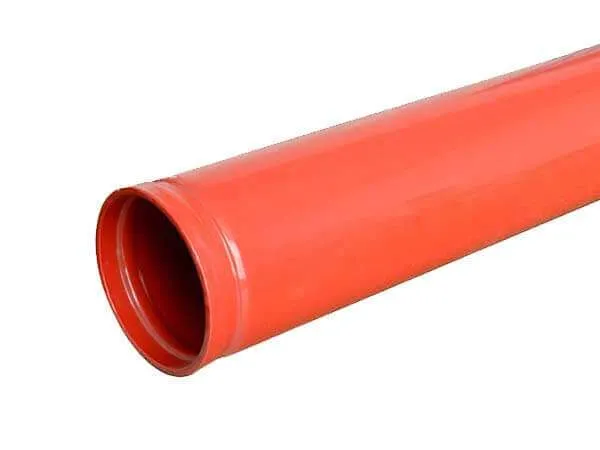
Galvanized Pipe- Galvanized Steel Piping Sizes Chart,Dimensions
The galvanized pipes supplied by TUSPIPE are produced through two processes: hot-dip galvanizing and pre-galvanizing. Different outer diameters, like: 1-1/2 galvanized pipe, 2 galvanized steel pipe, 2 1 2 galvanized pipeThese pipes exhibit high corrosion resistance, enabling your projects to achieve an extended service life while delivering optimal performance at the most economical cost.
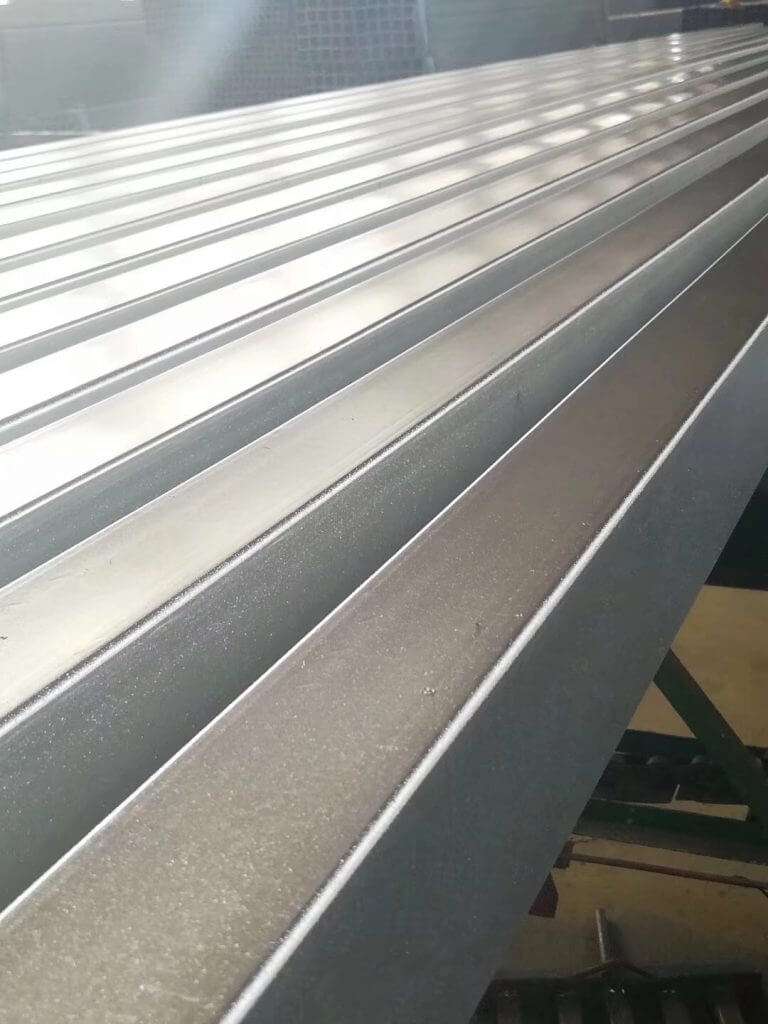
Galvanized Pipe
- Hot–dip galvanized is the process of placing pre-treated pipe into molten zinc at around 450°C to form a strong galvanizing layer outside the pipe. Under normal circumstances, hot–dip galvanizing is considered to have a longer service life.
- Pre-galvanized is the steel through the cold rolling machine processing, the use of electrochemical method galvanized, and then the pre-galvanized steel coil, welding, molding, reprocessing, galvanized steel pipe.
Why Use Galvanized Pipe?what is galvanized pipe?
Without pipe galvanized, corrosion is a persistent danger to metal; therefore, it must be protected. It is possible to create oxidation in metal when corrosive elements such as salt, dirt, moisture, or chemicals come into contact with the iron in the metal. Rust is formed as a consequence of the reaction. Because of the corrosion of metal, pipes are at risk of collapsing or exploding.
Adding a coating of zinc to metal during the pipe galvanized process serves to protect it against corrosion. This zinc reinforcement provides two types of protection for metals:
- It acts as a protective barrier between the sensitive iron and the corrosive elements.
- Galvanic corrosion is prevented by using this product. When compared to the majority of metals, zinc exhibits significantly anodic characteristics. When it comes into touch with a more noble metal, it acts as an anode, releasing electrons very immediately. When a noble metal would otherwise be taking electrons from carbon steel or another basic metal, this sacrifice comes in useful.
Galvanized Pipe process
1. Pre-treatment stage
Inspection of raw materials: to ensure that the surface of the pipe is free of cracks and depressions, and that the dimensions are in accordance with standards
Degreasing and cleaning: Use alkali solution to remove oil and impurities on the surface of the pipe to ensure the adhesion of the galvanized layer.
Acid washing: Remove the oxides on the pipe surface by hydrochloric acid or sulfuric acid.
Rinsing and auxiliary plating agent: use water to get rid of the acidic substances on the surface first, and then put the pipes into ammonium chloride or zinc chloride solution to enhance the bonding between zinc solution and steel pipes.
Drying: hot air drying (temperature 80~150℃), to avoid moisture into the zinc solution to cause zinc explosion.
2. Galvanizing (hot dip galvanizing)
Temperature control – immersing the steel pipe into the zinc solution for 1-5 minutes – removing excess zinc through internal and external blowing – natural cooling.
3. Post-processing
Passivation: Passivation using chromate or phosphate solution to form a dense oxide film to improve corrosion resistance.
Quality Inspection: Ensure that the surface of galvanized pipe is free of air bubbles and burrs, ensure the thickness of the galvanized layer as well as carry out bending test.
Types of Galvanized PipING

Hot dip galvanized is an efficient method of surface treatment protection. It has excellent corrosion resistance and is easy to cut and process. Can meet a variety of complex engineering design and needs. At the same time, it has high cost efficiency and is conducive to large-scale production and use. Because of its unique properties, it is widely used in the pipeline transportation of water, natural gas and other fluids.

The manufacturing process of pre-galvanized pipe is very delicate. Including steel coil preparation, galvanized treatment, forming into a number of steps. The pipe with this surface treatment method is aesthetically pleasing, smooth and uniform, and cost-effective. Pre-galvanized pipe is widely used in construction engineering, transportation and industrial equipment and other fields. However, because the inside of the pipe can not be coated with zinc layer, there is still rust.
Galvanized Pipe Dimensions SIZES CHART(OD CHART)
This section will show you the different outer diameters of the pipes manufactured by TUSPIPE, including:1 1/4 galvanized pipe, 1-1/2 galvanized pipe, 2 galvanized steel pipe, 2 1 2 galvanized pipe, 3 galvanized pipe, 4 inch galvanized pipe, 6 galvanized pipe, 10 ft galvanized pipe. Galvanized pipe od chart.
| DN | O.D. | W.T. | |||||||||||||||
|---|---|---|---|---|---|---|---|---|---|---|---|---|---|---|---|---|---|
| Inch | mm | SCH5S | SCH10S | SCH10 | SCH20 | SCH30 | SCH40 | SCH60 | SCH80 | SCH100 | SCH120 | SCH140 | SCH160 | Sth | XS | XXS | |
| 50 | 2″ | 60.3 | 1.65 | 2.77 | – | – | – | 3.91 | – | 5.54 | – | – | – | 8.74 | 3.91 | 5.54 | 11.07 |
| 65 | 2 1/2″ | 73 | 2.11 | 3.05 | – | – | – | 5.16 | – | 7.01 | – | – | – | 9.53 | 5.16 | 7.01 | 14.02 |
| 80 | 3″ | 88.9 | 2.11 | 3.05 | – | – | – | 5.49 | – | 7.62 | – | – | – | 11.13 | 5.49 | 7.52 | 15.24 |
| 90 | 3 1/2″ | 101.6 | 2.11 | 3.05 | – | – | – | 5.74 | – | 8.08 | – | – | – | – | 5.74 | 8.08 | – |
| 100 | 4″ | 114.3 | 2.11 | 3.05 | – | – | – | 6.02 | – | 8.58 | – | 11.13 | – | 13.49 | 6.02 | 8.56 | 17.12 |
| 125 | 5″ | 141.3 | 2.77 | 3.4 | – | – | – | 6.55 | – | 9.53 | – | 12.7 | – | 15.88 | 6.55 | 9.53 | 18.05 |
| 150 | 6″ | 168.3 | 2.77 | 3.4 | – | – | – | 7.11 | – | 10.97 | – | 14.27 | – | 18.26 | 7.11 | 10.97 | 21.95 |
| 200 | 8″ | 219.1 | 2.77 | 3.76 | – | 6.35 | 7.04 | 8.18 | 10.31 | 12.7 | 15.09 | 18.26 | 20.62 | 23.01 | 8.18 | 12.7 | 22.23 |
| 250 | 10″ | 273.1 | 3.4 | 4.19 | – | 6.35 | 7.8 | 9.27 | 12.7 | 15.09 | 18.26 | 21.44 | 25.4 | 28.58 | 9.27 | 12.7 | 25.4 |
| 300 | 12″ | 323.9 | 3.96 | 4.57 | – | 6.35 | 8.38 | 10.31 | 14.27 | 17.48 | 21.44 | 25.4 | 28.58 | 33.32 | 9.53 | 12.7 | 25.4 |
| 350 | 14″ | 355.5 | 3.96 | 4.78 | 6.35 | 7.92 | 9.53 | 11.13 | 15.09 | 19.05 | 23.83 | 27.79 | 31.75 | 35.71 | 9.53 | 12.7 | – |
| 400 | 16″ | 406.4 | 4.19 | 4.78 | 6.35 | 7.92 | 9.53 | 12.7 | 16.66 | 21.44 | 26.19 | 30.96 | 36.53 | 40.49 | 9.53 | 12.7 | – |
| 450 | 18″ | 457.2 | 4.19 | 4.78 | 6.35 | 7.92 | 11.13 | 14.27 | 19.05 | 23.83 | 39.36 | 34.93 | 39.67 | 45.24 | – | – | – |
| 500 | 20″ | 508 | 4.78 | 5.54 | 6.35 | 9.53 | 12.7 | 15.09 | 20.62 | 26.19 | 32.54 | 38.1 | 44.45 | 50.01 | – | – | – |
| 550 | 22″ | 558.8 | 4.78 | 5.54 | 6.35 | 9.53 | 12.7 | – | 22.23 | 28.58 | 34.93 | 41.28 | 47.63 | 53.98 | – | – | – |
| 600 | 24″ | 609.6 | 5.54 | 6.35 | 6.35 | 9.53 | 14.27 | 17.48 | 24.61 | 30.96 | 38.89 | 46.02 | 52.37 | 59.54 | – | – | – |
Difference between Hot-Dip Galvanizing and Pre-Galvanizing
The biggest difference between hot-dip galvanized pipe fittings and pre-galvanized pipes is the thinness of the galvanized layer due to the difference in process, which is also the concern of buyers. The table below describes the difference between the two different modes of galvanized pipe.
Benefits of thicker galvanized layer:Hot-dip galvanization results in a thicker zinc coating than pre-galvanization, which offers superior rust and corrosion protection, particularly for pipes that are regularly used outdoors and exposed to snow, ice, rain, and salt.
The zinc coating on the steel sheet must meet the requirements of ASTM A525 Grade G90 and G120. The total zinc weight of the exterior and interior surfaces shall be between 0.90 oz/sq ft (or 0.45 oz/sq ft each side) and 1.20 oz/sq ft (or 0.60 oz/sq ft each side). These coating weights do not apply to the inner welded region.
| Feature | Hot Dip Galvanization | Pre-Galvanizing |
|---|---|---|
| Coating Thickness | Thick coating with minimum average requirements of 45-85μm within BS EN ISO 1461 | The coating thickness may vary, but it is typically circa 20μm for sheets and 20-30μm for tubes |
| Coating Continually | Continuous coating over the whole object | The uncoated area at cut edges |
| Coating Bond | Strong metallurgical bond with the base steel | Strong metallurgical bond with the base steel |
| Coating Formability | Forming after hot dipped galvanizing is not advised as it may damage the coating | A thin coating may be normally formed without any damage |
| Coating Appearance | Normally bright, but can be variable | Normally bright |
| Abrasion Resistance | A thicker layer of hard zinc-iron alloy gives a high resistance to abrasion | Thin alloy layer with reduced resistance to abrasion |
| Sacrificial Protection | Offer the highest level of sacrificial protection | Reduced sacrificial protection due to thin layer coating and at some uncoated areas (cut edges) |
Advantages of Galvanized pipe
So, how can galvanizing your piping system benefit you and your business? The following are some of the advantages of galvanizing pipe supports.
- Cost-Effectiveness
The question you may be asking is: “If pipe galvanizing provides anti-corrosive characteristics, why not just utilize stainless steel pipes?” The solution is a matter of money. However, although stainless steel has corrosion resistance built into its design, it is often more costly than conventional carbon steel. Consequently, galvanizing is a reasonably inexpensive method of adding an additional layer of protection to otherwise durable materials.
- Performance
Alternatives such as paint or other basic coverings, on the other hand, may seem to be a straightforward answer. However, they are not without their drawbacks. For starters, they often chip or scrape the surface, exposing the underlying metal to rust. Second, since they are readily worn away, they must be reapplied on a regular basis. Finally, when subjected to extreme temperature fluctuations or external erosion, they have a tendency to flake or peel off.
- Less Labor-Intensive
Galvanized metal is subjected to a rigorous production process, but after it has been applied to metal, the product is ready to be sent out the door. As a result, your team will not be burdened with the time-consuming and labor-intensive operations of applying paints or other coatings. You will also save time by not having to spend time prepping surfaces, monitoring supports for scratches, or repainting your walls.
Why choose tuspipe?

Since 1998, Tianjin United Steel Piping Co., Ltd (TUSPIPE) has been committed to supplying high-quality line pipes.
With over 500,000 tons annual production capacity, the company serves various fields and industries, such as oil & gas exploitation and transmission, ship & auto-building, water & electricity, environmental protection, mechanical engineering, infrastructure construction and etc.
TUSPIPE places a premium on product quality and rigorous product quality control. In order to maintain good product quality, the company has established a Test & Inspection Center since 2004. With a series of state-of-the-art tests and inspection equipment, the test & inspection center is able to perform the tensile tests, hydro tests, impact tests, DWTT, etc.