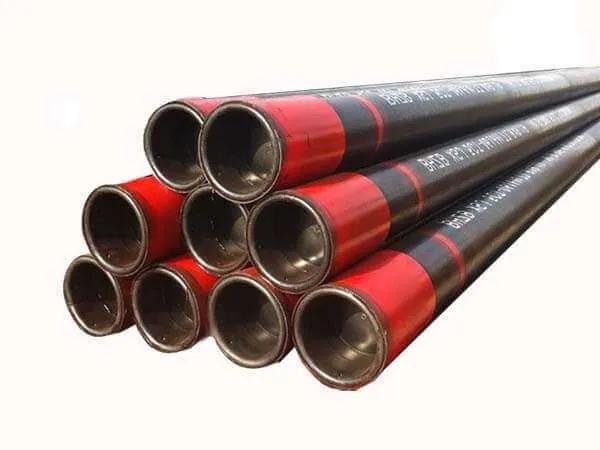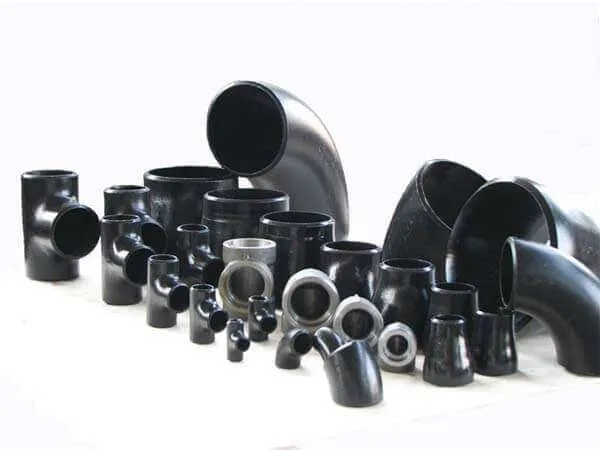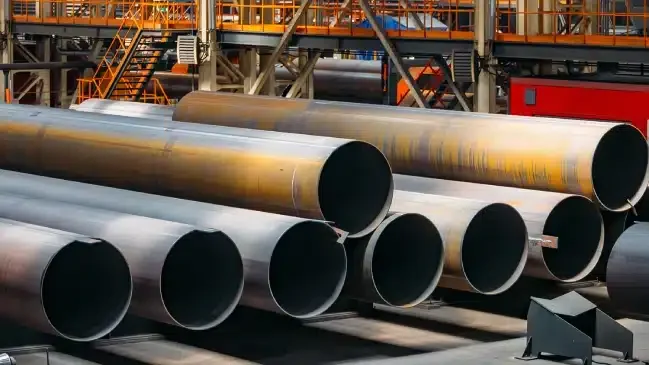
Steel pipes are now used everywhere most of the time. Many industries, such as water, gas, and oil, depend on these strong pipes. Two common types of steel pipes are ERW and DSAW. They might look similar at first, with a strong seam along the pipe, but they differ in how they are formed and used.
This guide explains simply what ERW pipe and DSAW pipe are. You will look at how these pipes differ in terms of process, size, testing, and use. At last, you will know when to choose which pipe.
Processus
The way workers make a pipe affects its strength and cost. ERW uses a fast and simple method. Workers take a flat steel strip and roll it into a round shape. Then they forward an electric current through the sides. The heat melts the edges and joins them. Pressure holds the joint tight. This creates a clean weld seam. ERW pipe production runs at high speed. Factories make large volumes every day. This keeps costs lower.
DSAW uses a slower and more detailed method. Workers start with a thick steel plate. They form the plate into a pipe shape step by step. Many plants use the JCOE method. This means J forming, then C forming, then O forming, then expanding. After shaping, they weld the seam from the inside and outside. This uses submerged arc welding. The weld stays under a layer of flux. The flux protects the weld from air. This process gives deep weld penetration.
ERW pipe creates one weld seam. DSAW pipe creates two weld passes on the same seam. This double welding improves strength. DSAW pipe takes longer and requires more labor. ERW pipe stays faster and cheaper to produce.
Longueur
The length of the pipe may vary depending on the raw material used to make it and its forming method. Coiled steel strips are used to make ERW pipe, usually for high-volume production. ERW pipes are usually up to 14 meters long, making them useful for long-distance pipeline uses.
Steel plates are generally used to make DSAW pipes. The plate width usually determines the final size of the DSAW pipe and its diameter. They usually reach up to 12.8 meters in length. DSAW pipe is more useful in handling larger diameters with up to 2.2 meters. ERW pipe stays smaller with a diameter of below 24 inches.
Detection
Both ERW pipe and DSAW pipe go through strict testing. Quality checks keep pipes safe.
Common tests include:
- Chemical composition checks
- Tensile strength tests
- Flattening and bending tests
- Guided bend tests
- Hydrostatic pressure tests
- Ultrasonic testing
ERW pipe uses ultrasonic and eddy current testing. These tests find small surface or internal defects. Since ERW pipe has thinner walls, these methods work well.
DSAW pipe uses more checks for weld quality. Along with ultrasonic testing, workers use radiographic testing. This means X-ray inspection. X-rays show defects deep inside the weld. Thick-walled DSAW pipes require this extra step.
Both ERW and DSAW must meet strict rules. No cracks, laps, or burns are allowed. The inner and outer surfaces must stay smooth. Clean surfaces help fluid flow and reduce wear.
Strength And Structure
Strength depends on welding and wall thickness. DSAW is known for its high strength due to its thick walls. Its wall thickness starts from one-quarter inch or more. Its double-weld seam provides deep fusion, while submerged arc produces a smooth finish after welding. This makes DSAW pipes more useful for high-strength, high-pressure applications.
ERW pipes also show sufficient strength for many uses. The weld seam stays similar to the pipe. Since no metal filler is added, the weld usually matches the base metal, keeping it chemically balanced. ERW pipes work well in low- to moderate-pressure systems.
DSAW pipe is useful for handling heavy loads and working in extreme environments. ERW pipe works efficiently in dealing with lighter loads.
Uses
Both ERW pipe and DSAW pipe serve different uses. ERW is most effective in low- to medium-pressure systems. Common uses include:
- Lignes d'alimentation en eau
- Gas distribution
- Short-distance oil transportation
- Air and steam lines
- Building structures
Many builders choose ERW pipe for its steady size and lower cost. Farms, homes, and small industries often use ERW pipe.
DSAW fits large and demanding projects. Common uses include:
- Long-distance oil pipelines
- Natural gas transmission lines
- Power plant piping
- Bridge structures
- Large construction frames
- Foundation piling
DSAW pipe is used with high loads and stress. Engineers prefer using DSAW for safety within critical systems.
Cost and Production
Price is a significant factor in choosing. ERW stays cost-effective. High-speed production reduces unit costs. ERW pipe is often selected for projects with tight budgets.
DSAW costs more. It is more labor-intensive and time-consuming. Additional testing is also costly. But this cost is accepted in many projects in the name of greater strength and safety.
Key Differences Between ERW and DSAW
Fonctionnalité | ERW | DSAW |
Raw Material | Steel strip from coils | Steel plate |
Welding Method | High-frequency resistance welding | Submerged arc welding on the inner and outer sides |
Weld Seam | Single seam | Double-weld passes on the same seam |
Vitesse de production | Fast and continuous | Slower and step by step |
Coût | Lower cost | Higher cost |
Pipe Length | Up to about 14 meters | Up to about 12.8 meters |
Gamme de diamètres | Usually smaller, up to about 24 inches | Larger, up to about 2.2 meters |
La force | Good for medium loads | High strength for heavy loads |
Testing Methods | Ultrasonic and eddy current testing | Ultrasonic and radiographic X-ray testing |
Surface Quality | Smooth weld, no filler metal used | In-depth penetration and strong weld |
When To Select Each Type of Pipe
Choose ERW when:
- Low or medium pressure is required.
- The size of the pipes is small to medium.
- Budget matters
- A great number is required quickly
Choose DSAW when:
- Pressure is high
- Large pipe diameter
- Wall thickness must be large
- The project needs to work in difficult environmental conditions
Both the ERW and DSAW pipes are useful for different purposes. They have different uses. This makes it important to make the correct choice before starting the project.