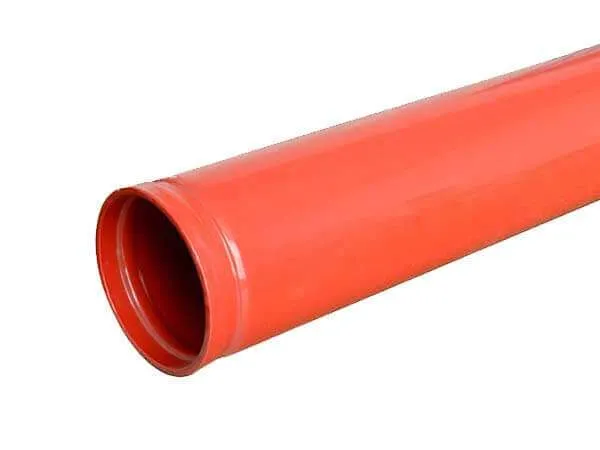
Galvanized Pipe - Tableau des dimensions des tuyaux en acier galvanisé, Dimensions
The galvanized pipes supplied by TUSPIPE are produced through two processes: hot-dip galvanizing and pre-galvanizing. Different outer diameters, like: 1-1/2 galvanized pipe, 2 galvanized steel pipe, 2 1 2 galvanized pipeThese pipes exhibit high corrosion resistance, enabling your projects to achieve an extended service life while delivering optimal performance at the most economical cost.
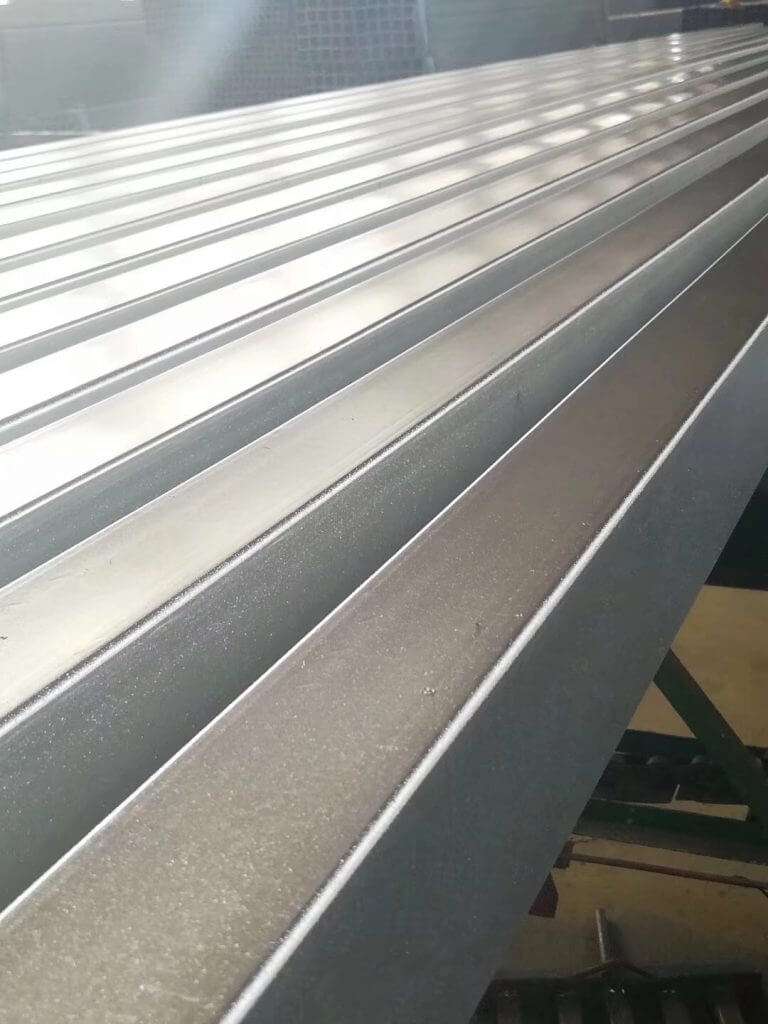
Tube galvanisé
- Hot-dip galvanized is the process of placing pre-treated pipe into molten zinc at around 450°C to form a strong galvanizing layer outside the pipe. Under normal circumstances, hot-dip galvanizing is considered to have a longer service life.
- Pre-galvanized is the steel through the cold rolling machine processing, the use of electrochemical method galvanized, and then the pre-galvanized steel coil, welding, molding, reprocessing, galvanized steel pipe.
Why Use Galvanized Pipe?what is galvanized pipe?
Without pipe galvanized, corrosion is a persistent danger to metal; therefore, it must be protected. It is possible to create oxidation in metal when corrosive elements such as salt, dirt, moisture, or chemicals come into contact with the iron in the metal. Rust is formed as a consequence of the reaction. Because of the corrosion of metal, pipes are at risk of collapsing or exploding.
Adding a coating of zinc to metal during the pipe galvanized process serves to protect it against corrosion. This zinc reinforcement provides two types of protection for metals:
- It acts as a protective barrier between the sensitive iron and the corrosive elements.
- Galvanic corrosion is prevented by using this product. When compared to the majority of metals, zinc exhibits significantly anodic characteristics. When it comes into touch with a more noble metal, it acts as an anode, releasing electrons very immediately. When a noble metal would otherwise be taking electrons from carbon steel or another basic metal, this sacrifice comes in useful.
Galvanized Pipe process
1. Pre-treatment stage
Inspection of raw materials: to ensure that the surface of the pipe is free of cracks and depressions, and that the dimensions are in accordance with standards
Degreasing and cleaning: Use alkali solution to remove oil and impurities on the surface of the pipe to ensure the adhesion of the galvanized layer.
Acid washing: Remove the oxides on the pipe surface by hydrochloric acid or sulfuric acid.
Rinsing and auxiliary plating agent: use water to get rid of the acidic substances on the surface first, and then put the pipes into ammonium chloride or zinc chloride solution to enhance the bonding between zinc solution and steel pipes.
Drying: hot air drying (temperature 80~150℃), to avoid moisture into the zinc solution to cause zinc explosion.
2. Galvanizing (hot dip galvanizing)
Temperature control – immersing the steel pipe into the zinc solution for 1-5 minutes – removing excess zinc through internal and external blowing – natural cooling.
3. Post-processing
Passivation: Passivation using chromate or phosphate solution to form a dense oxide film to improve corrosion resistance.
Quality Inspection: Ensure that the surface of galvanized pipe is free of air bubbles and burrs, ensure the thickness of the galvanized layer as well as carry out bending test.
Types of Galvanized PipING

Hot dip galvanized is an efficient method of surface treatment protection. It has excellent corrosion resistance and is easy to cut and process. Can meet a variety of complex engineering design and needs. At the same time, it has high cost efficiency and is conducive to large-scale production and use. Because of its unique properties, it is widely used in the pipeline transportation of water, natural gas and other fluids.

The manufacturing process of pre-galvanized pipe is very delicate. Including steel coil preparation, galvanized treatment, forming into a number of steps. The pipe with this surface treatment method is aesthetically pleasing, smooth and uniform, and cost-effective. Pre-galvanized pipe is widely used in construction engineering, transportation and industrial equipment and other fields. However, because the inside of the pipe can not be coated with zinc layer, there is still rust.
Galvanized Pipe Dimensions SIZES CHART(OD CHART)
This section will show you the different outer diameters of the pipes manufactured by TUSPIPE, including:1 1/4 galvanized pipe, 1-1/2 galvanized pipe, 2 galvanized steel pipe, 2 1 2 galvanized pipe, 3 galvanized pipe, 4 inch galvanized pipe, 6 galvanized pipe, 10 ft galvanized pipe. Galvanized pipe od chart.
| DN | O.D. | W.T. | |||||||||||||||
|---|---|---|---|---|---|---|---|---|---|---|---|---|---|---|---|---|---|
| Pouce | mm | SCH5S | SCH10S | SCH10 | SCH20 | SCH30 | SCH40 | SCH60 | SCH80 | SCH100 | SCH120 | SCH140 | SCH160 | Sth | XS | XXS | |
| 50 | 2″ | 60.3 | 1.65 | 2.77 | - | - | - | 3.91 | - | 5.54 | - | - | - | 8.74 | 3.91 | 5.54 | 11.07 |
| 65 | 2 1/2″ | 73 | 2.11 | 3.05 | - | - | - | 5.16 | - | 7.01 | - | - | - | 9.53 | 5.16 | 7.01 | 14.02 |
| 80 | 3″ | 88.9 | 2.11 | 3.05 | - | - | - | 5.49 | - | 7.62 | - | - | - | 11.13 | 5.49 | 7.52 | 15.24 |
| 90 | 3 1/2″ | 101.6 | 2.11 | 3.05 | - | - | - | 5.74 | - | 8.08 | - | - | - | - | 5.74 | 8.08 | - |
| 100 | 4″ | 114.3 | 2.11 | 3.05 | - | - | - | 6.02 | - | 8.58 | - | 11.13 | - | 13.49 | 6.02 | 8.56 | 17.12 |
| 125 | 5″ | 141.3 | 2.77 | 3.4 | - | - | - | 6.55 | - | 9.53 | - | 12.7 | - | 15.88 | 6.55 | 9.53 | 18.05 |
| 150 | 6″ | 168.3 | 2.77 | 3.4 | - | - | - | 7.11 | - | 10.97 | - | 14.27 | - | 18.26 | 7.11 | 10.97 | 21.95 |
| 200 | 8″ | 219.1 | 2.77 | 3.76 | - | 6.35 | 7.04 | 8.18 | 10.31 | 12.7 | 15.09 | 18.26 | 20.62 | 23.01 | 8.18 | 12.7 | 22.23 |
| 250 | 10″ | 273.1 | 3.4 | 4.19 | - | 6.35 | 7.8 | 9.27 | 12.7 | 15.09 | 18.26 | 21.44 | 25.4 | 28.58 | 9.27 | 12.7 | 25.4 |
| 300 | 12″ | 323.9 | 3.96 | 4.57 | - | 6.35 | 8.38 | 10.31 | 14.27 | 17.48 | 21.44 | 25.4 | 28.58 | 33.32 | 9.53 | 12.7 | 25.4 |
| 350 | 14″ | 355.5 | 3.96 | 4.78 | 6.35 | 7.92 | 9.53 | 11.13 | 15.09 | 19.05 | 23.83 | 27.79 | 31.75 | 35.71 | 9.53 | 12.7 | - |
| 400 | 16″ | 406.4 | 4.19 | 4.78 | 6.35 | 7.92 | 9.53 | 12.7 | 16.66 | 21.44 | 26.19 | 30.96 | 36.53 | 40.49 | 9.53 | 12.7 | - |
| 450 | 18″ | 457.2 | 4.19 | 4.78 | 6.35 | 7.92 | 11.13 | 14.27 | 19.05 | 23.83 | 39.36 | 34.93 | 39.67 | 45.24 | - | - | - |
| 500 | 20″ | 508 | 4.78 | 5.54 | 6.35 | 9.53 | 12.7 | 15.09 | 20.62 | 26.19 | 32.54 | 38.1 | 44.45 | 50.01 | - | - | - |
| 550 | 22″ | 558.8 | 4.78 | 5.54 | 6.35 | 9.53 | 12.7 | - | 22.23 | 28.58 | 34.93 | 41.28 | 47.63 | 53.98 | - | - | - |
| 600 | 24″ | 609.6 | 5.54 | 6.35 | 6.35 | 9.53 | 14.27 | 17.48 | 24.61 | 30.96 | 38.89 | 46.02 | 52.37 | 59.54 | - | - | - |
Difference between Hot-Dip Galvanizing and Pre-Galvanizing
The biggest difference between hot-dip galvanized pipe fittings and pre-galvanized pipes is the thinness of the galvanized layer due to the difference in process, which is also the concern of buyers. The table below describes the difference between the two different modes of galvanized pipe.
Benefits of thicker galvanized layer:Hot-dip galvanization results in a thicker zinc coating than pre-galvanization, which offers superior rust and corrosion protection, particularly for pipes that are regularly used outdoors and exposed to snow, ice, rain, and salt.
La couche de zinc sur la tôle d'acier doit répondre aux exigences de la norme ASTM A525 Grade G90 et G120. Le poids total de zinc des surfaces extérieures et intérieures doit être compris entre 0,90 oz/pi2 (ou 0,45 oz/pi2 de chaque côté) et 1,20 oz/pi2 (ou 0,60 oz/pi2 de chaque côté). Ces poids de revêtement ne s'appliquent pas à la zone soudée intérieure.
| Fonctionnalité | Galvanisation à chaud | Pré-galvanisation |
|---|---|---|
| Épaisseur du revêtement | Revêtement épais avec des exigences moyennes minimales de 45-85μm selon BS EN ISO 1461. | L'épaisseur du revêtement peut varier, mais elle est généralement d'environ 20μm pour les feuilles et de 20-30μm pour les tubes |
| Revêtement continu | Revêtement continu sur l'ensemble de l'objet | La zone non revêtue sur les bords de coupe |
| Bond de l'enduit | Forte liaison métallurgique avec l'acier de base | Forte liaison métallurgique avec l'acier de base |
| Formabilité du revêtement | Le formage après galvanisation à chaud n'est pas conseillé car il risque d'endommager le revêtement. | Une fine couche peut être formée normalement sans aucun dommage |
| Aspect du revêtement | Normalement brillante, mais peut être variable | Normalement lumineux |
| Résistance à l'abrasion | Une couche plus épaisse d'alliage dur de zinc et de fer offre une grande résistance à l'abrasion. | Couche d'alliage mince avec une résistance réduite à l'abrasion |
| Protection sacrificielle | Offrir le plus haut niveau de protection sacrificielle | Protection sacrificielle réduite en raison de la faible épaisseur du revêtement et de certaines zones non revêtues (bords coupés) |
Advantages of Galvanized pipe
So, how can galvanizing your piping system benefit you and your business? The following are some of the advantages of galvanizing pipe supports.
- Cost-Effectiveness
The question you may be asking is: “If pipe galvanizing provides anti-corrosive characteristics, why not just utilize stainless steel pipes?” The solution is a matter of money. However, although stainless steel has corrosion resistance built into its design, it is often more costly than conventional carbon steel. Consequently, galvanizing is a reasonably inexpensive method of adding an additional layer of protection to otherwise durable materials.
- Performance
Alternatives such as paint or other basic coverings, on the other hand, may seem to be a straightforward answer. However, they are not without their drawbacks. For starters, they often chip or scrape the surface, exposing the underlying metal to rust. Second, since they are readily worn away, they must be reapplied on a regular basis. Finally, when subjected to extreme temperature fluctuations or external erosion, they have a tendency to flake or peel off.
- Less Labor-Intensive
Galvanized metal is subjected to a rigorous production process, but after it has been applied to metal, the product is ready to be sent out the door. As a result, your team will not be burdened with the time-consuming and labor-intensive operations of applying paints or other coatings. You will also save time by not having to spend time prepping surfaces, monitoring supports for scratches, or repainting your walls.
Pourquoi choisir tuspipe ?

Depuis 1998, Tianjin United Steel Piping Co., Ltd (TUSPIPE) s'engage à fournir des tubes de canalisation de haute qualité.
Avec une capacité de production annuelle de plus de 500 000 tonnes, l'entreprise dessert divers domaines et industries, tels que l'exploitation et la transmission du pétrole et du gaz, la construction navale et automobile, l'eau et l'électricité, la protection de l'environnement, l'ingénierie mécanique, la construction d'infrastructures, etc.
TUSPIPE accorde une grande importance à la qualité des produits et à leur contrôle rigoureux. Afin de maintenir une bonne qualité des produits, l'entreprise a mis en place un centre d'essai et d'inspection depuis 2004. Doté d'une série d'équipements d'essai et d'inspection de pointe, le centre d'essai et d'inspection est en mesure d'effectuer des essais de traction, des essais hydrauliques, des essais d'impact, des essais DWTT, etc.