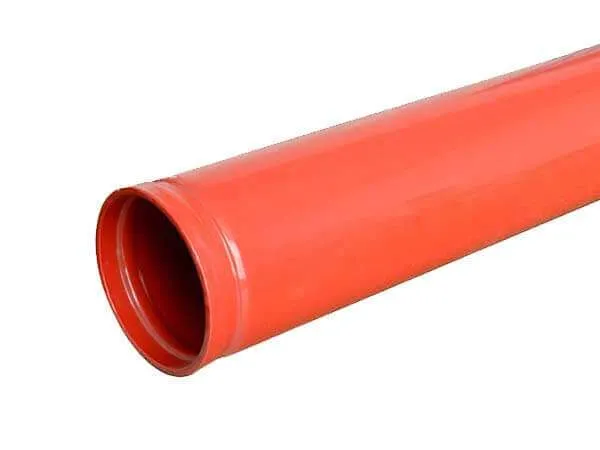
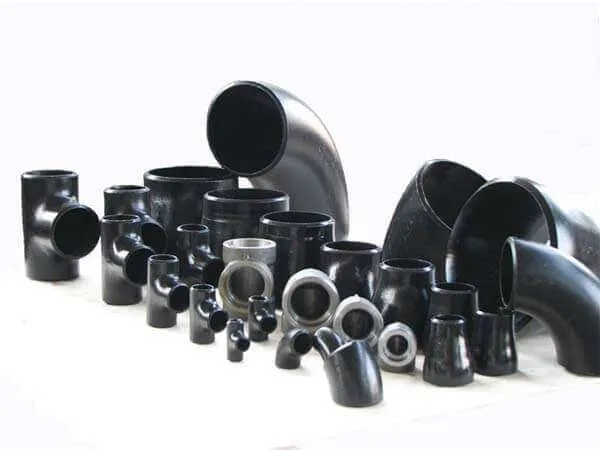
ASTM A53 pipe-GRADE A,B STEEL PIPE Manufacturer
TUSPIPE manufactures ASTM A53 pipes that meet the requirements of the American Society for Testing and Materials (ASTM), with both ASTM A53 grade A and ASTM A53 grade B pipes having chemical composition and mechanical properties that meet the ASTM A53 standard certification.
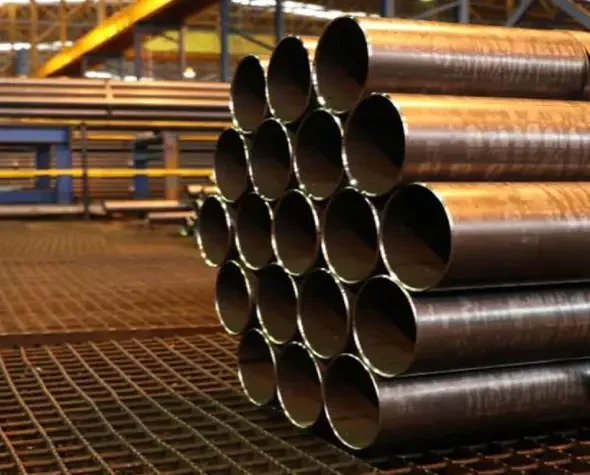
ASTM A53
The ASTM A53 standard is one of the most extensively used carbon steel pipe material standards in the oil & gas, structures, constructions, low-pressure plumbing, conveyor rollers, and other process sectors.
ASTM A53 is one of the standards of the Société américaine pour les essais et les matériaux. The size range for the pipes is from NPS 1/8” to NPS 26”. The wall thickness of the pipes is also mentioned in the standard -astm a53 pipe Annexe 10/ 20/ 30/ 40/ 60/ 80. The various types of finishes available for the ASTM A53 pipes are black and hot-dipped, zinc-coated, welded, and seamless.
ASTM A53 GRADE b & grade a
ASTM A53 Grade A
ASTM A53 Grade A pipe (also known as an ASME SA53 pipe) is intended for mechanical and pressure applications. It is suitable for welding as well as shaping operations like coiling, bending, and flanging under certain circumstances.
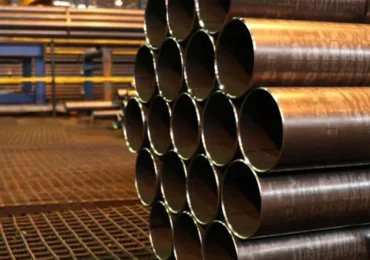
ASTM A53 Grade B
ASTM A53 Grade B pipe (also known as ASME SA53 pipe). A53 Grade B pipe is appropriate for welding and covers Seamless and Welded, Black and Hot-Dipped Galvanized nominal (average) wall pipe for coiling, bending, flanging, and other specific operations.
ASTM A53 Grade B vs Grade A
1. Chemical composition: the main difference between the two grades of steel in the carbon and manganese content. astm a53 grade a grade a carbon and manganese content is relatively low, so grade a grade of steel pipe weldability and ductility is very good, but grade b of carbon and manganese content is high, strength and hardness will be better. You can see the following table
- Tensile strength: 415 MPa (60 ksi) and above VS 330 MPa (48 ksi) and above
- Yield strength: 240 MPa (35 ksi) and above VS 205 MPa (30 ksi) and above
- Elongation:25% on a 2-inch scale VS 30% (in 2-inch scales)
2. Application: Grade A: Mainly used for applications under low pressure and low temperature, such as water pipelines, drainage pipes, building structures, etc.
Grade B: Suitable for applications under medium pressure and temperature conditions, such as oil, natural gas, steam, water transportation.
ASTM A53 TYPE e, f, s pipe specification
- Type F – Furnace-Butt Welded Continuous Welded Pipe
The ASTM A53 Type F Grade A pipe is produced from a continuous coil, and the longitudinal junction is welded by forge welding. Sets of rollers are employed in this procedure to apply mechanical pressure to the heated ends of the coil.
- Type E – Electric Resistance Welded Pipe
ASTM A53 Type E Garde A and Garde B pipes are composed of the continuous coil, and the longitudinal junction is welded by heat generated by electric resistance between the pipe’s opposite ends. A set of rollers is also employed in this operation to unite heated ends. After welding, the weld seam of Grade pipes is heat-treated to a minimum of 540°C.
- Type S – Seamless Pipe
The extrusion process is used to create ASTM A53 Type S pipes.
The raw steel needed to make pipes is generated using an open-hearth furnace, an electric furnace, or a basic-oxygen process.
A53 For a detailed description of the type, click here: https://www.tuspipe.com/blog/astm-a53-type-e-f-s/
Below you will find the physical and chemical properties of astm a53 different steel grades and types. It includes your most concerned sizes such as gr.a /gr.b/ astm a53 schedule40/ astm a53 schedule 80. In order to facilitate your inquiry, we also divided the data into A53 typeE/F/S, if you still have any needs, you can contact us!
DIMENSIONS AND SIZES OF ASTM A53
Explore the superior performance of our ASTM A53 steel pipes, available in both Schedule 40 and Schedule 80. From the versatility of ASTM A53 Schedule 40 to the reinforced strength of Schedule 80, our pipes adhere to the highest standards, promising durability and reliability. Elevate your expectations with a seamless blend of ASTM A53 compliance, offering top-tier quality and performance. .
| NPS | O.D. | Épaisseur nominale de la paroi | |||||||||||||||
|---|---|---|---|---|---|---|---|---|---|---|---|---|---|---|---|---|---|
| DN | Pouce | mm | SCH5S | SCH10S | SCH10 | SCH20 | SCH30 | SCH40 | SCH60 | SCH80 | SCH100 | SCH120 | SCH140 | SCH160 | Sth | XS | XXS |
| 50 | 2″ | 60.3 | 1.65 | 2.77 | - | - | - | 3.91 | - | 5.54 | - | - | - | 8.74 | 3.91 | 5.54 | 11.07 |
| 65 | 2 1/2″ | 73 | 2.11 | 3.05 | - | - | - | 5.16 | - | 7.01 | - | - | - | 9.53 | 5.16 | 7.01 | 14.02 |
| 80 | 3″ | 88.9 | 2.11 | 3.05 | - | - | - | 5.49 | - | 7.62 | - | - | - | 11.13 | 5.49 | 7.52 | 15.24 |
| 90 | 3 1/2″ | 101.6 | 2.11 | 3.05 | - | - | - | 5.74 | - | 8.08 | - | - | - | - | 5.74 | 8.08 | - |
| 100 | 4″ | 114.3 | 2.11 | 3.05 | - | - | - | 6.02 | - | 8.58 | - | 11.13 | - | 13.49 | 6.02 | 8.56 | 17.12 |
| 125 | 5″ | 141.3 | 2.77 | 3.4 | - | - | - | 6.55 | - | 9.53 | - | 12.7 | - | 15.88 | 6.55 | 9.53 | 18.05 |
| 150 | 6″ | 168.3 | 2.77 | 3.4 | - | - | - | 7.11 | - | 10.97 | - | 14.27 | - | 18.26 | 7.11 | 10.97 | 21.95 |
| 200 | 8″ | 219.1 | 2.77 | 3.76 | - | 6.35 | 7.04 | 8.18 | 10.31 | 12.7 | 15.09 | 18.26 | 20.62 | 23.01 | 8.18 | 12.7 | 22.23 |
| 250 | 10″ | 273.1 | 3.4 | 4.19 | - | 6.35 | 7.8 | 9.27 | 12.7 | 15.09 | 18.26 | 21.44 | 25.4 | 28.58 | 9.27 | 12.7 | 25.4 |
| 300 | 12″ | 323.9 | 3.96 | 4.57 | - | 6.35 | 8.38 | 10.31 | 14.27 | 17.48 | 21.44 | 25.4 | 28.58 | 33.32 | 9.53 | 12.7 | 25.4 |
| 350 | 14″ | 355.5 | 3.96 | 4.78 | 6.35 | 7.92 | 9.53 | 11.13 | 15.09 | 19.05 | 23.83 | 27.79 | 31.75 | 35.71 | 9.53 | 12.7 | - |
| 400 | 16″ | 406.4 | 4.19 | 4.78 | 6.35 | 7.92 | 9.53 | 12.7 | 16.66 | 21.44 | 26.19 | 30.96 | 36.53 | 40.49 | 9.53 | 12.7 | - |
| 450 | 18″ | 457.2 | 4.19 | 4.78 | 6.35 | 7.92 | 11.13 | 14.27 | 19.05 | 23.83 | 39.36 | 34.93 | 39.67 | 45.24 | - | - | - |
| 500 | 20″ | 508 | 4.78 | 5.54 | 6.35 | 9.53 | 12.7 | 15.09 | 20.62 | 26.19 | 32.54 | 38.1 | 44.45 | 50.01 | - | - | - |
| 550 | 22″ | 558.8 | 4.78 | 5.54 | 6.35 | 9.53 | 12.7 | - | 22.23 | 28.58 | 34.93 | 41.28 | 47.63 | 53.98 | - | - | - |
| 600 | 24″ | 609.6 | 5.54 | 6.35 | 6.35 | 9.53 | 14.27 | 17.48 | 24.61 | 30.96 | 38.89 | 46.02 | 52.37 | 59.54 | - | - | - |
Chemical Composition of ASTM A53
| Elements | Type S (Seamless) Grade B | Type E (ERW) Grade B |
|---|---|---|
| Carbon max. % | 0.30* | 0.3 |
| Manganese % | 1.2 | 1.2 |
| Phosphorous, max. % | 0.05 | 0.05 |
| Sulfur, max. % | 0.045 | 0.045 |
| Copper, max.% | 0.4 | 0.4 |
| Nickel, max. % | 0.4 | 0.4 |
| Chromium, max. % | 0.4 | 0.4 |
| Molybdenum, max. % | 0.15 | 0.15 |
| Vanadium, max. % | 0.08 | 0.08 |
Mechanical Properties of ASTM A53 pipe
| Types and Grades | Min. Tensile Strength | Min. Limite d'élasticité |
|---|---|---|
| Type E et S | 330Mpa / 48000psi | 205Mpa / 30000psi |
| Type F | 330Mpa / 48000psi | 205Mpa / 30000psi |
Tolérance d'épaisseur et de masse du tube d'acier ASTM A53
| Objet | O.D. | Plus de | Sous |
|---|---|---|---|
| Diamètre extérieur | NPS 1/8 à 1-1/2, DN 6 à 40 | ±0,4 mm | ±0,4 mm |
| NPS 2 et plus, DN 50 et plus | ±1% | ±1% | |
| Épaisseur de la paroi en tout point | - | ±12,5% | |
| Poids | ±10% | ±10% | |
Type d'embouts ASTM A53
- ASTM A53 Tubes d'un diamètre inférieur à 0,500 pouce et tubes STD / XS lisses ou en acier inoxydable. extrémités biseautées
- ASTM A53 Tubes de diamètre supérieur à 0,500 pouce et XXS : Les extrémités sont coupées au carré et simples.
- Une protection du filetage est nécessaire pour les tuyaux de plus de 4 pouces s'ils sont fournis avec des extrémités filetées.
Contenu du marquage des tubes ASTM A53
Les marquages suivants doivent être apposés sur chaque longueur de tube astm a53 (ou faisceau pour les diamètres inférieurs) :
- ASTM A53 type E, S, F nom du fabricant
- Diamètre et horaire (de 10 à 160 et XXS)
- “Désignation ”ASTM A53
- Indice de chaleur
- Longueur du tuyau
ASTM A53 Matériaux et fabrication
1. Les tuyaux sans soudure ASTM A53 et les tuyaux soudés peuvent être fabriqués par : Méthode du four plat/Méthode du four électrique/Méthode du four alcalin
2. Type E ou type F de l'acier de qualité B, après le ressoudage, la soudure doit subir un traitement thermique d'au moins 1000F [540 degrés Celsius] pour empêcher la présence de martensite résiduelle non trempée.
3. Expansion des tuyaux : ne doit pas dépasser 1% du diamètre extérieur
4. Si une tôle d'acier d'une autre qualité est utilisée, elle doit être bien recouverte, la tôle d'acier doit être bien recouverte, la tôle d'acier doit être bien recouverte.
5. Pour les essais, un échantillon d'au moins 4 pouces est nécessaire.
6. Étiquetage du produit : Fabricant/Spécification No./Dimensions (NPS/Poids/Epaisseur de paroi/DO spécifié)/Grade (a/b)/Type de tube (f/e/s)/Pression expérimentale (tube sans soudure uniquement)/Essai électrique non-destructif (sans soudure uniquement)
7. Tube galvanisé : Absence de zones non couvertes, de cloques, d'impuretés. Pas de grumeaux, de projections globulaires ou de dépôts.
La production fournit des TUSPIPE'S ASTM A53
1. Preuve de conformité : Indiquer que le produit a été fabriqué conformément aux spécifications et que des échantillons ont été prélevés à des fins d'essai/d'inspection.
2.Rapport d'essai : Fournir un rapport d'analyse chimique de la spécification
3.EDI, responsable du rapport soumis
4. soutenir l'inspection tripartite et fournir les installations raisonnables nécessaires pour garantir les spécifications de la tuyauterie.
Test et inspection lors de la production de tubes ASTM A53
- Analyse chimique - Nombre d'essais : 2 pièces par lot de 500 ou 2 pièces par chaleur (si l'un des tuyaux est défaillant, deux pièces supplémentaires du même lot doivent être testées).
- Essai de traction - Cet essai est effectué pour évaluer les propriétés mécaniques du tuyau. Dans le cas d'un tube soudé, la résistance de la soudure ne doit pas être inférieure à la résistance du corps du tube.
- Bending Test – On pipe diameters NPS 2 and less, a bending test is performed to determine the ductility of the pipe. The bend test could be 90 degrees or 180 degrees, depending on the situation.
- Test d'aplatissement – For ductility, pipe sizes greater than NPS 2 are flattening tested. In line with ASTM A53, a pipe sample is sliced and flattened between two flat surfaces.
- Hydro-Test – This is a test that is performed on each length of the pipe to determine whether or not there is a leak. The pressure must be maintained for at least 5 seconds.
- Weld Seam Ultrasonic or Electromagnetic Test – This non-destructive test is performed throughout the whole length of the weld to check the weld’s integrity.
Application and Usage of ASTM A53
- ASTM A53 Pipes for Oil & Gas
The most common application of ASTM A53 is in oil and gas, but both of these transportation objects are corrosive, so in oil and gas applications, the pipelines are usually coated with anti-corrosion coatings for gasoline and propane, and as you can imagine, tuspipe has its own coating line and will be happy to provide you with pipeline coating services.
Generally A53 Pipes are made of carbon steel or low alloy steel, which is less costly, and to ensure the quality of the product, the inside diameter is a very important parameter of Pipes, as well as pressure, ductility, and yield strength, which should be taken into consideration when picking the pipes.
- Grade B Pipe for Structural Steel
ASTM A53 GR.B Pipes are available in a wide range of diameters and can be used in different structural construction projects, and can be used as columns, sign posts, support structures, piles, etc.
- Metallic Conduit
When used as a metallic conduit, it is a durable steel casing on the outside of the pipe that is used to protect the wires from external substances such as moisture, chemicals, etc. Conduits and Electrical Metallic Tubing (EMT) are classified based on wall thickness, joints, physical properties and materials used, where galvanized tubing allows the conduit to be threaded. Generally ASTM A53 conduit is hot dipped galvanized on the inside and then blown dry to avoid galvanized material buildup on the inside of the pipe. On the outside of the pipe is a clear coat of paint that can extend the life of the pipe.
- Conveyor Roller
ASTM A53 Pipes can also be used as a roller pipe to transport items in combination with a conveyor belt. Examples include: coal, sand, ore, etc.
Pourquoi choisir tuspipe ?

Depuis 1998, Tianjin United Steel Piping Co., Ltd (TUSPIPE) s'engage à fournir des tubes de canalisation de haute qualité.
Avec une capacité de production annuelle de plus de 500 000 tonnes, l'entreprise dessert divers domaines et industries, tels que l'exploitation et la transmission du pétrole et du gaz, la construction navale et automobile, l'eau et l'électricité, la protection de l'environnement, l'ingénierie mécanique, la construction d'infrastructures, etc.
TUSPIPE accorde une grande importance à la qualité des produits et à leur contrôle rigoureux. Afin de maintenir une bonne qualité des produits, l'entreprise a mis en place un centre d'essai et d'inspection depuis 2004. Doté d'une série d'équipements d'essai et d'inspection de pointe, le centre d'essai et d'inspection est en mesure d'effectuer des essais de traction, des essais hydrauliques, des essais d'impact, des essais DWTT, etc.