Coated Pipe-Pipeline Coating Manufacturer
TUSPIPE is a leading supplier of coated pipes, offering products exceeding standards such as API RP 5L2, ISO 15741, and AWWA C210. Our services cover both internally and externally coated pipes, extending the lifespan of your projects.
COATED PIPE
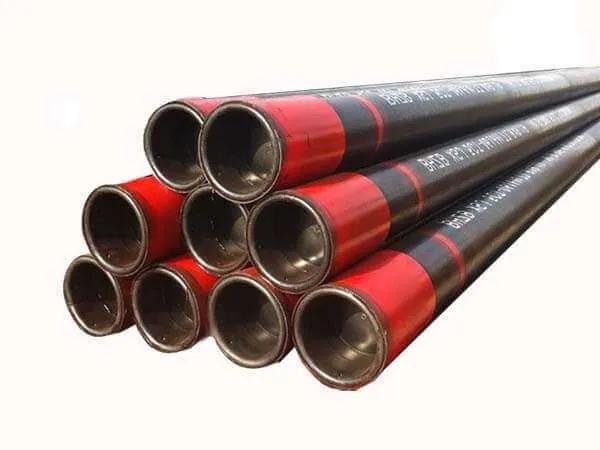
En coated pipe, also called Insulated Pipe, is a group of metal pipes with anti-corrosion coatings. These pipe coatings are commonly utilized to preserve the steel pipe used in the building of pipelines, reinforcing steel, and a broad variety of piping connections.
Oil and gas coating pipe can be classified into two types, each with its own set of unique and stringent requirements: revestimiento interior de tuberías y tuberías exteriores revestidas.
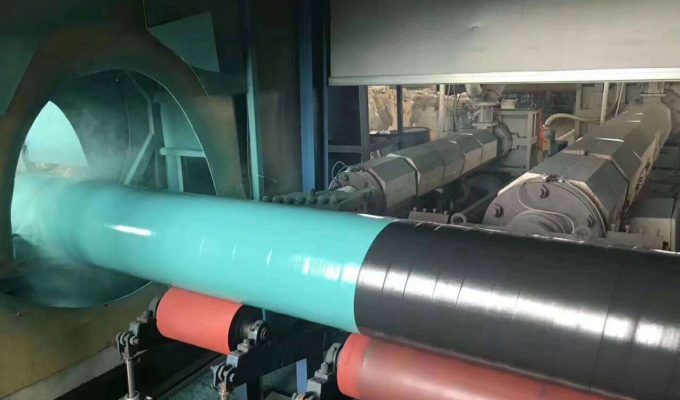
With TUSPIPE’s own coating technology and production lines, you can customise your pipe coating to meet your production requirements. Whether it’s internal coating pipe or external coating pipe, we always put quality first!
Coating types and parameters
Below are the types and parameters of TUSPIPE pipe coatings. Please contact us if you have any needs.
| Coating type | Temperature range | Coating thickness | Suitability | Main application |
|---|---|---|---|---|
| FBE | -30°C ~ 100°C | 250-500 μm | Internal & External Coating | External anti-corrosion of oil/gas pipelines, internal anti-corrosion of chemical pipelines |
| 2LPE | -40°C ~ 60°C | 1.0-2.0 mm | External Coating | Low pressure water pipelines, municipal works |
| 3LPE | -40°C ~ 85°C | 2.0-3.5 mm | External Coating | Long-distance oil and gas pipelines, submarine pipelines |
| 2LPP | -40°C ~ 110°C | 1.5-3.0 mm | External Coating | High temperature chemical piping |
| 3LPP | -40°C ~ 110°C | 2.5-4.0 mm | External Coating | LNG pipeline, sour oil and gas transportation |
| Epoxy coating | -20°C ~ 120°C | 0.2-0.5 mm | Inner coating (main) | Drinking water pipeline inner wall, storage tank inner anti-corrosion, food industry pipeline |
PIPE Coating Specifications
Pipeline coatings not only have anti-corrosion functions, but different coatings play different roles. However, the common mission of pipeline coatings is to increase the life of the pipeline system and save costs. The following are the pipeline coating treatment methods and coating types that our factory can provide. If you have any needs, please contact us.
- Functions of Pipeline Coatings
- Corrosion Protection: Applied to sulfide-containing oil pipelines in the Middle East, it can reduce costs by 72%.
- Wear Protection: Effectively controls wear rates.
- Thermal Management: Epoxy and graphene composite coatings, along with SiO₂ aerogel coatings for geothermal pipelines, reduce heat loss by 62%.
- Environmental Protection: Waste acid pipelines in chemical parks reduce environmental impacts caused by corrosion.
- TUSPIPE Coating Technology
- Hot-dip galvanizing: Zinc layer ≥ 85μm
- Arc spraying: Al ≥ 99.7%
- Laser cladding: Inconel 625, thickness 1.2-2mm
- Plasma spraying: Porosity <5%
- HVOF spraying: Hardness HV1200
- High-temperature sintering: Applicable temperatures -30-100°C, suitable for oil and gas pipelines
- Moisture curing: Applicable temperatures -40-120°C, suitable for oil pipes
- Extrusion cladding: Applicable temperatures -50-80°C, suitable for oil pipes
- Standards Followed
- API RP 5L2
- ISO 15741
- AWWA C210
- SY/T 6717
- DEP 31.40.30.35
EXTERNAL COATED PIPES
Below are our main coating products. Please click on the links to view product details. If you have any questions, please contact us.

Tubos con revestimiento 3LPE
Composición: FBE primer, copolymer adhesive, and polyethylene outer layer. Function: Corrosion resistance. Properties: superior mechanical properties and resistance to cathodic disbondment.
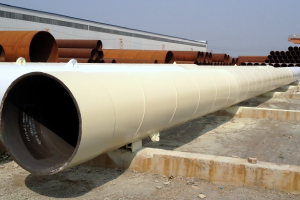
Tubos con revestimiento 3LPP
Composición: Fusion bonded epoxy primer, adhesive layer, and outer layer of polyethylene. Function: bonded epoxy primer provides corrosion resistance, the outer polyethylene layer offers UV resistance.
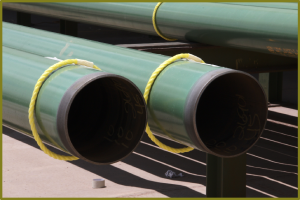
Tubos con revestimiento FBE
Composición: FBE coatings are thermoset polymers, providing durable protection. Scenario: Fusion bonded epoxy coatings are classified as protective coatings in the coatings industry.
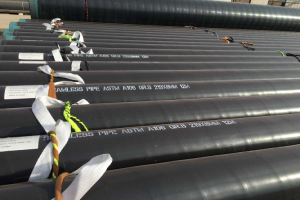
Tubería revestida de 2LPE
Components: mastic-based adhesives and polyethylene copolymers. Function: Offers anti-corrosion protection for pipelines.
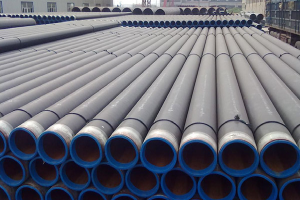
Tubería con revestimiento 2LPP
Composición:Multilayer coating comprising fusion bonded epoxy and polypropylene. Scenario:Suitable for various subsea production structures and installations in shallow and deep water.
INTERNAL COATED PIPES

Revestimiento interior de tuberías
The internal pipe coating increases their resistance to corrosion, enhances their flow, and reduces the creation of deposits. There are a variety of interior coatings for pipes, including Fusion Bonded Epoxy (FBE) Coating and Glass flake Coatings.
Pipe coatings are very common and are generally categorized into two types: internal and external coatings. According to the type of coating, it can be divided into: coal tar enamel, cement slurry sand, epoxy resin, polyurethane, FEB/LPE/LPP and so on.
Below is a description of the types of coatings that TUSPIPE Steel Pipe Factory can offer you to help the health of your piping system.
External coated Pipe types
External pipelines coating are an important part of the oil and gas industry. They provide a barrier between the metal of the pipe and the environment, protecting the pipe from corrosion and other damage. Coatings also help to resist bacteria and chemicals that can be harmful to the pipeline. In addition, they can help to regulate temperature and protect the pipe from mechanical damage. The type of coating that is used depends on the specific needs of the pipeline. However, all coatings play an important role in protecting the pipeline from damage and ensuring its safe operation.
External Coated Pipes types
The Fusion Bonded Epoxy (FBE) coating prevents corrosion on pipe surfaces. Double or triple layers of FBE may even improve friction and abrasion resistance. In 3-layer PE/PP coating systems, FBE coating is also employed as the priming layer.
At temperatures ranging from 220 to 235°C, the electrostatic epoxy powder is sprayed onto a pipe. When the epoxy powder reaches the hot pipe surface, it melts and forms a uniform layer of epoxy coating on the pipe.
Dual-layer FBE is used for a variety of service applications, including directional drilling, anti-abrasion for road and river crossings, and oil, gas, and waterworks pipes. This coating, like single layer FBE (above), can be applied on a wide range of outer diameter (OD) sizes, from 3.5″ to 48″. In most situations, the top layer of abrasion resistance protects against erosion.
2LPE Coating is a two-layer polyethylene coating system that provides excellent protection for steel pipelines from corrosion, chemical attack, and abrasion. The first layer is a high-density polyethylene (HDPE) liner that is applied to the steel surface. The second layer is a co-polymer adhesive that bonds the HDPE liner to the steel surface. This two-layer system provides outstanding resistance to a wide range of chemicals and temperatures. 2LPE Coating is an ideal solution for protecting steel pipelines in a wide range of environments.
2LPP Coating is a steel pipeline coating that consists of a two-layer system. The first layer is a fusion-bonded epoxy (FBE) which provides corrosion and chemical resistance. The second layer is a polyethylene copolymer that provides mechanical protection and resistance to abrasion and cathodic disbondment. This type of coating is often used in high temperature environments, as it can withstand temperatures up to 120 degrees Celsius. 2LPP Coating is an effective way to protect steel pipelines from corrosion, chemical attack, and abrasion.
The three-layer polyethylene coating system offers superior protection against corrosion compared to traditional epoxy powder and two-layer PE coatings. The FBE layer provides an effective barrier against corrosion, while the PE layer resists water penetration and mechanical damage. This coating system can withstand temperatures of up to 50°C (low and medium density polyethylene) or 70°C (high-density polyethylene), making it an ideal choice for a wide range of applications.
3PP coating is a three-layer polipropileno anticorrosive coating that is primarily used as an anticorrosive pipeline layer for conveying high-temperature mediums and as an anticorrosive pipeline layer in desert areas with high surface temperatures and long periods of sunshine. The 3PP coating consists of a base layer of epoxy powder, an intermediate layer of binder, and an outer layer of polypropylene (PP) jacket. The 3PP coating takes all of the benefits of the 3PE coating and improves its operating temperature performance significantly. The improved operating temperature performance of the 3PP coating makes it an excellent choice for use in high-temperature environments and desert conditions.
¿Por qué elegir tuspipe?
Desde 1998, Tianjin United Steel Piping Co., Ltd (TUSPIPE) se ha comprometido a suministrar tubos de línea de alta calidad.
Con más de 500.000 toneladas de capacidad de producción anual, la empresa presta servicio a diversos campos e industrias, como la explotación y transmisión de petróleo y gas, la construcción naval y de automóviles, el agua y la electricidad, la protección del medio ambiente, la ingeniería mecánica, la construcción de infraestructuras, etc.
TUSPIPE da mucha importancia a la calidad de los productos y a un riguroso control de calidad de los mismos. Para mantener la buena calidad de los productos, la empresa ha establecido un Centro de Pruebas e Inspección desde 2004. Con una serie de pruebas de última generación y equipos de inspección, el centro de pruebas e inspección es capaz de realizar las pruebas de tracción, pruebas hidráulicas, pruebas de impacto, DWTT, etc.