EN 10217-1
TUSPIPE’s EN 10217-1 steel pipes are certified by European industrial standards. The production process strictly follows the EN 10217-1 standard specifications to ensure that every step from raw material procurement to final delivery achieves excellent quality and meets the highest industry standards.
EN 10217-1
En EN 10217-1 standard is the Norma europea for welded pressure pipes, it governs the technical requirements for carbon steel tubes. This standard is suitable for welding carbon steel tubes which having specified room temperature properties and rated pressures.
The essential requirements of this standard are minimum yield point strength and tensile strength, elongation, weldability, Impact values, non-destructive test, etc. This standard is widely used in the construction of pressure vessels and piping systems in the oil and gas, petrochemical, and Power industries.
Steel Grades PRODUCTS of EN 10217-1 Pipes
EN 10219-1 Nomenclature for steel pipe grades
P: represents the pressure strength
Number: indicates what is the yield strength of the material of the pipe itself under pressure strength.
TR1: such steel grade does not specify the aluminum content and impact properties, and does not specify the quality of the test
TR2: This grade does not specify aluminum content, but does specify impact properties. As well as non-specific and case-specific test requirements.
For example: EN 10217 P195 TR1 indicates that the pipe is subjected to a pressure of 195Mp and that the standard does not specify the aluminum content or test criteria for the pipe material.

P195 TR1
P195 is one of the steel grades in the EN 10217 standard and has a lower strength. It is commonly used for general structural applications such as building frames, parapets, pipe supports, etc.
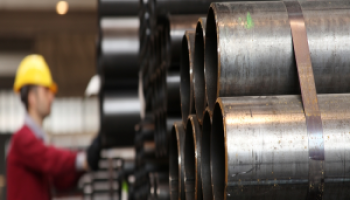
P195 TR2
EN 10217 P195TR2 tubes have more stringent technical requirements for higher loads and structural applications requiring higher strength.
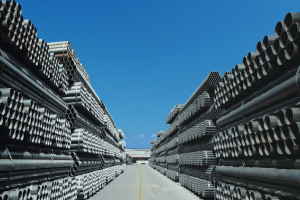
P235 TR1
EN-102117-1 P235 steel pipe is it is typically used in structural applications where moderate strength and durability are required, such as supports for industrial equipment and bridge structures.
P235 TR2
The production and testing requirements for EN 10217 TR2 steel pipe are more stringent, including dimensional control, chemical composition and mechanical properties.
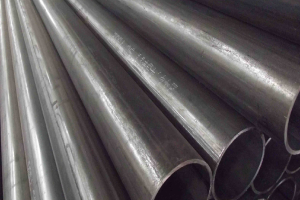
P265 TR1
It is mainly used for structural applications requiring higher strength and durability, such as high-pressure pipelines and heavy machinery supports. Suitable for projects with high loads and high strength requirements.
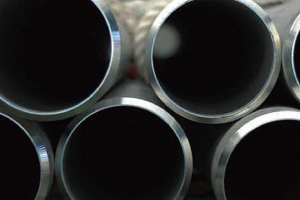
P265 TR2
This type of EN 10217 pipe is suitable for projects that require high strength and durability, such as high-pressure pipelines and bridge structures.
Appearance of EN 10217-1 Pipes
- EN 10217-1 Pipe Welds
The weld is the more important area of the pipe, so there must be no cracks around the weld. And it is not permitted to make any repairs to formed pipe welds. If repairs to welds are allowed in the standard document, they should be strictly enforced in accordance with the standard to ensure the integrity of the pipe.
- EN10217-1 Pipe Surfaces
The surface of the pipe is also regulated, first of all, there must not be any internal defects and the surface of the pipe must be smooth and free of cracks. If there is a coating, the retort is not hungry for air bubbles and the layers are uniform.
- Pipe Marking
Pipes are usually marked along their length with the name of the manufacturer, the standard (EN 10217-1), the material grade, the size, the wall thickness and sometimes information about the particular application or special conditions they fulfill. These markings are essential to ensure that the right pipe is used for the right application!For pipes with an outside diameter of more than 51 mm, the pipe marking can be affixed to the box or to the bundle, or a label can be used instead.
Chemical Composition for EN 10217-1 Non-Alloy Steel Tubes
- Chemical Composition
| Grado de acero | C máx. | Si máx. | Mn máx. | P máx. | S máx. | Cr b Max. | Mo b máx. | Ni b máx. | Al tot min. | Cu b c máx. | Nb b máx. | Ti b máx. | V b máx. | Cr+Cu+Mo+Ni b máx. | |
|---|---|---|---|---|---|---|---|---|---|---|---|---|---|---|---|
| Nombre del acero | Número de acero | ||||||||||||||
| P195TR1 | 1.0107 | 13 | 35 | 70 | 25 | 20 | 30 | 8 | 30 | - | 30 | 10 | 4 | 2 | 70 |
| P195TR2 | 1.0108 | 13 | 35 | 70 | 25 | 20 | 30 | 8 | 30 | 0,02 d | 30 | 10 | 4 | 2 | 70 |
| P235TR1 | 1.0254 | 16 | 35 | 120 | 25 | 20 | 30 | 8 | 30 | - | 30 | 10 | 4 | 2 | 70 |
| p235TR2 | 1.0255 | 16 | 35 | 120 | 25 | 20 | 30 | 8 | 30 | 0,02 d | 30 | 10 | 4 | 2 | 70 |
| P265TR1 | 1.0258 | 20 | 40 | 140 | 25 | 20 | 30 | 8 | 30 | - | 30 | 10 | 4 | 2 | 70 |
| P265TR2 | 1.0259 | 20 | 40 | 140 | 25 | 20 | 30 | 8 | 30 | 0,02 d | 30 | 10 | 4 | 2 | 70 |
| a Elements not included in this Table shall not be intentionally added to the steel without the agreement of the purchaser, except for elements which may be added for finishing the cast. All appropriate measures shall be taken to prevent the addition of undesirable elements from scrap or other materials used in the steel making process. | |||||||||||||||
| b The content of these elements need not be reported unless intentionally added to the cast. | |||||||||||||||
| c Option 3: In order to facilitate subsequent forming operation, an agreed maximum copper content lower than indicated and an agreed specified maximum tin content shall apply. | |||||||||||||||
| d This requirement is not applicable provided the steel contains a sufficient amount of other nitrogen binding elements, which shall be reported. | |||||||||||||||
- Permissible Deviations of EN 10217-1 Product Analysis
| Steel Grades | Tensile Properties | Impact Properties | |||||||
|---|---|---|---|---|---|---|---|---|---|
| Nombre del acero | Número de acero | Upper Yield Strength | Resistencia a la tracción | Alargamiento | Minimum Average | ||||
| Reh b min for | A min | Absorbed Energy KV J | |||||||
| T mm | Rm | % b c | at a temperature of ℃ c | ||||||
| T ≤16 | 16<T≤40 | l | t | ||||||
| MPa * | MPa * | l | t | 0 | -10 | 0 | |||
| P195TR1 e | 1.0107 | 195 | 185 | 320-440 | 27 | 25 | - | - | - |
| P195TR2 | 1.0108 | 195 | 185 | 320-440 | 27 | 25 | 40 | 28 d | 27 |
| P235TR1 e | 1.0254 | 235 | 225 | 360-500 | 25 | 23 | - | ||
| P235TR2 | 1.0255 | 235 | 225 | 360-500 | 25 | 23 | 40 | 28 d | 27 |
| P265TR1 e | 1.0258 | 265 | 255 | 410-570 | 21 | 19 | - | - | - |
| P265TR2 | 1.0259 | 265 | 255 | 410-570 | 21 | 19 | 40 | 28 d | 27 |
| a For wall thickness greater than 40 mm the mechanical properties are subject to agreement. b See 11.2. c l = longitudinal; t = transverse. d Option 5: Additionally, longitudinal impact strength shall be verified at – 10 °C. e Tubes made to these material grades are unlikely to support the essential requirements of Directive 97/23/EC unless other criteria are taken into account, see Annex I section 7.5 of this Directive * 1 MPa = 1 N/mm² | |||||||||
Mechanical Properties of EN 1021-7-1 Pipes
| Steel Grades | Tensile Properties | Impact Properties | |||||||
|---|---|---|---|---|---|---|---|---|---|
| Nombre del acero | Número de acero | Upper Yield Strength | Resistencia a la tracción | Alargamiento | Minimum Average Absorbed Energy | ||||
| At a Temperature of ℃ | |||||||||
| T≤16 | 16<T≤40 | l | t | ||||||
| Mpa | Mpa | l | t | 0 | -10 | 0 | |||
| P195TR1 | 1.0107 | 195 | 185 | 320-440 | 27 | 25 | - | - | - |
| P195TR2 | 1.0108 | 195 | 185 | 320-440 | 27 | 25 | 40 | 28 | 27 |
| P235TR1 | 1.0254 | 235 | 225 | 360-500 | 25 | 23 | - | - | - |
| P235TR2 | 1.0255 | 235 | 225 | 360-500 | 25 | 23 | 40 | 28 | 27 |
| P265TR1 | 1.0258 | 265 | 255 | 410-570 | 21 | 19 | - | - | - |
| P265TR2 | 1.0259 | 265 | 255 | 410-570 | 21 | 19 | 40 | 28 | 27 |
Tolerance of EN 10217-1 Steel Pipes
- Outside Diameter and Wall Thickness Tolerance on EN 10217-1
| Diámetro exterior | Tolerance on | ||
|---|---|---|---|
| Diámetro exterior | Espesor de pared | ||
| D | D | T ≤ 5 | 5 < T ≤ 40 |
| D ≤ 219.1 | ±1% or ±0.5 | ±10% or ±0.3 Whichever is the greater | ±8% or ±2 Whichever is the greater |
| Whichever is the greater | |||
| D > 219.1 | ±0.75% or ±6 | ||
| Whichever is the greater | |||
- Length Tolerance on EN 10217-1
| Longitud | Tolerances on Exact Length for Outside Diameter (D) | |
|---|---|---|
| L | < 406.4 | ≥ 406.4 |
| L ≤ 6000 | +10, 0 | +25, 0 |
| 6000 < L ≤ 12000 | +15, 0 | +50, 0 |
| L > 12000 | + by agreement, 0 | - |
EN10217 Minimum Thickness Specified
--EN 10217-1 TR1 THICKNESS SPECIFIED
| NPS | Diámetro exterior (mm) | Espesor de pared (mm) | Tolerancias en el exterior Exterior (mm) | Masa por unidad de longitud (kg/m) | |
|---|---|---|---|---|---|
| Max. | Min. | ||||
| 1” | 33.7 | 2.3 | 34 | 33.4 | 1.78 |
| 1.25” | 42.4 | 2.3 | 42.7 | 42.1 | 2.27 |
| 1.5” | 48.3 | 2.3 | 48.6 | 48 | 2.61 |
| 2” | 60.3 | 2.3 | 60.6 | 60 | 3.29 |
| 2.5” | 76.1 | 2.6 | 76.4 | 75.8 | 4.71 |
| 3” | 88.9 | 2.9 | 89.2 | 88.6 | 6.15 |
| 4” | 114.3 | 3.2 | 114.6 | 114 | 8.77 |
| 5” | 139.7 | 3.6 | 140 | 139.4 | 12.1 |
| 6” | 168.1 | 4 | 168.7 | 167.9 | 16.21 |
| 8” | 219.1 | 5 | 219.5 | 218.7 | 26.4 |
| 10’ | 273.1 | 5 | 275.15 | 271.05 | 33.1 |
| 12’ | 323.9 | 5.6 | 326.33 | 321.47 | 43.97 |
--EN 10217-1 TR2 THICKNESS SPECIFIED
| NPS | Exterior exterior (mm) | Espesor mínimo Espesor de pared (mm) con Tolerancia | Tolerancias del diámetro exterior (mm) | Masa por unidad de longitud (kg/m) | |
|---|---|---|---|---|---|
| Max. | Min. | ||||
| 1” | 33.7 | 2.6 | 34 | 33.4 | 1.99 |
| 1.25” | 42.4 | 2.6 | 42.7 | 42.1 | 2.55 |
| 1.5” | 48.3 | 2.6 | 48.6 | 48 | 2.93 |
| 2” | 60.3 | 2.6 | 60.6 | 60 | 3.7 |
| 2.5” | 76.1 | 2.6 | 76.4 | 75.8 | 4.71 |
| 3” | 88.9 | 2.9 | 89.2 | 88.6 | 6.15 |
| 4” | 114.3 | 3.2 | 114.6 | 114 | 8.77 |
| 5” | 139.7 | 3.6 | 140 | 139.4 | 12.1 |
| 6” | 168.1 | 4 | 168.7 | 167.9 | 16.21 |
| 8” | 219.1 | 4.5 | 219.5 | 218.7 | 23.82 |
| 10’ | 273.1 | 5 | 275.15 | 271.05 | 33.1 |
| 12’ | 323.9 | 5.6 | 326.33 | 321.47 | 43.97 |
Application of EN 10217-1 Pipes
¿Por qué elegir tuspipe?
Desde 1998, Tianjin United Steel Piping Co., Ltd (TUSPIPE) se ha comprometido a suministrar tubos de línea de alta calidad.
Con más de 500.000 toneladas de capacidad de producción anual, la empresa presta servicio a diversos campos e industrias, como la explotación y transmisión de petróleo y gas, la construcción naval y de automóviles, el agua y la electricidad, la protección del medio ambiente, la ingeniería mecánica, la construcción de infraestructuras, etc.
TUSPIPE da mucha importancia a la calidad de los productos y a un riguroso control de calidad de los mismos. Para mantener la buena calidad de los productos, la empresa ha establecido un Centro de Pruebas e Inspección desde 2004. Con una serie de pruebas de última generación y equipos de inspección, el centro de pruebas e inspección es capaz de realizar las pruebas de tracción, pruebas hidráulicas, pruebas de impacto, DWTT, etc.