Steel Pipe Fabrication-TUS Pipework Fabrication(Metal Pipe/Steel Piping)
TUSPIPE offers steel pipe fabrication services. Whether using seamless or welded steel pipes, every step of the manufacturing process, from initial preparation and welding to final inspection, is meticulously handled. Our goal is to achieve the highest level of steel pipe fabrication excellence.
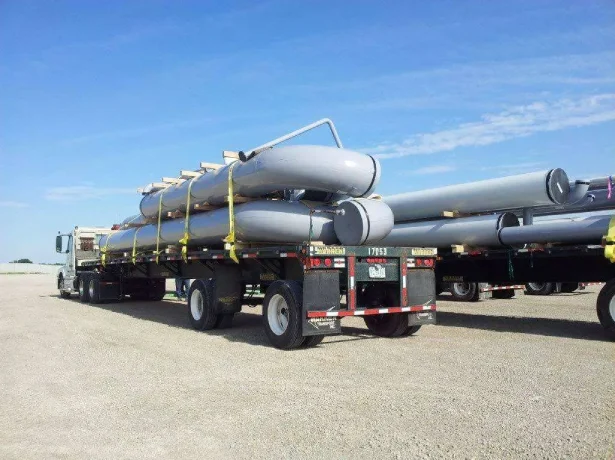
Steel Pipe Fabrication
Steel pipe fabrication refers to the process of processing steel into tubes or other structures through a series of processes, which include (seamless process/high-frequency electric welding process, etc.). The manufacturing process is often accompanied by cutting/bending/welding/stamping. TUSPIPE Tubes and Pipes has its own steel production line and the tubes and pipes are sold all over the world. TUSPIPE Tubes and Pipes can be used in different pressures and environments as all the steel meets the standards and can be used with confidence.
タスパイプを選ぶ理由

1998年以来、天津聯合鋼管有限公司(TUSPIPE)は高品質のラインパイプの供給に尽力しています。
年間生産能力は50万トンを超え、石油・ガス開発、送電、船舶・自動車建造、水・電気、環境保護、機械工学、インフラ建設など、さまざまな分野・業界にサービスを提供している。
TUSPIPEは製品の品質を重視し、厳格な品質管理を行っている。製品の品質を維持するため、2004年から試験検査センターを設立しました。最新の試験・検査設備を備え、引張試験、水力試験、衝撃試験、DWTTなどを実施することができます。
Application of Steel PIPE Fabrications
スチール加工 is an important part of our society’s infrastructure because it ensures that the commercial, institutional, and industrial facilities on which we rely and work are safely designed, mechanically correct, and thoroughly tested or examined for the service the piping system was designed for. Steel Fabrication is normally conducted by professional craftsmen and comprises cutting, beveling, welding, and bending (or other pipe forming processes).
Pipe production necessitates a high degree of precision among hundreds of components, as well as difficult assembly and installation operations. Steel Fabrication is required in every construction project that involves a network of pipelines because it requires detailed planning, scheduling, and execution in accordance with the design, location, timing, and budget requirements.
Quality of Steel Fabrication
Pipelines are used to carry fluids such as gases, slurries, and powders at varying pressures and temperatures. The conveyance of these materials inevitably forces the pipe to extreme loads and strains, necessitating the pipe’s best performance.
All piping fabrications must be planned and constructed in a manner that assures the safety of plant operators, the plant, the general public, and the environment.
The fabricator is responsible for the quality of the pipework, and Steel Fabrication must adhere to all applicable norms and requirements. One poor weld might cause millions of dollars in damage, physical harm, and, in extreme situations, death. Welded pipe systems necessitate the greatest level of material and workmanship perfection.
Steel Fabrication Methods
- Preparation
Fabricators must calculate the necessary pipes and fittings based on the design parameters prior to fabrication. The pipe fabricator must consider the welding and tack welding procedures, as well as any welding distortion. Pipe supports and clamps, as well as other instruments necessary for pipe and flange assembly, will take some thinking.
- Marking
Our fabricators create requirements for each pipe in the project and then mark each pipe in accordance with those parameters.
- Tagging
To show heat numbers on each component, we tag each pipe with paint or stamps. This step ensures that all pipes are heated to the proper temperature.
- Cutting
We cut each pipe using a process that is appropriate for the metal. Grinding, plasma cutting, gas torching, and sawing are among our cutting methods.
- End Preparation
We bevel the pipes’ ends in accordance with the project specifications.
- Welding Planning
We arrange the welding of the pipes to guarantee that the seams line up at the final assembly stage.
- Fittings and Pipe Welding
Before welding, we align the pipes and their fittings to ensure they fit together properly.
- Detail Marking
On each pipe, we mark all of the necessary identifying characteristics near the joints. These particulars include information on the pipe system, inspection signatures, and welding dates.
- Heat Treatment
We use heat treatment to guarantee that the pipes can survive the liquids, particles, or gases they carry, as well as the interior and outdoor environments.
- Inspection
We examine our pipes both throughout the fabrication process and at the conclusion to ensure they have survived.
Why Choosing Steel Fabrication?
There are several advantages to using structural steel into construction and other projects; yet, the products themselves can be complicated, necessitating the use of professional structural steel fabrication teams.
- Cost
Steel is both stronger and less expensive than other metals. It adds greater value in the variety of fabrication sectors where it is used.
- Capability to Prefabricate
Structural steel is often delivered in the pre-fabrication phase and produced on-site in the construction and other sectors. Pre-fabrication reduces the amount of work that must be done on-site, allowing projects to move more quickly.
- Low Maintenance
Other than steel, other materials require more upkeep. Wood, for example, is prone to insect infestation and can deteriorate under acidic weather conditions. Steel, on the other hand, is readily mended and lasts a long time.
- Appearance
Simply put, steel looks amazing and may improve the aesthetic of a variety of projects, regardless of the look desired.
- Environment Friendly
Steel is ecologically beneficial since it can be reused and recycled indefinitely. It also needs less energy to manufacture and emits less carbon dioxide.
- High Strength
Structural steel is extremely robust while weighing up to one-third less than equivalent metals.
- Malleable
Structural steel is pliable and may be tailored to match project standards, especially when welders and fabricators are competent. Because structural steel is an alloy, its physical and mechanical qualities may be tailored to meet specific requirements.
1. What Method Is no Longer Used to Manufacture Steel Pipe?
The furnace welding method has now been phased out. This method involves heating steel strips in a high-temperature environment and then rolling them into coils. The drawback of this steel pipe manufacturing method is its poor weld strength, which cannot withstand high-pressure environments. After the 1960s, this method was replaced by resistance welding and seamless steel pipe hot-rolling processes. Currently, API 5L explicitly prohibits the use of the furnace welding method for manufacturing pressure-bearing pipes.
2. What Is the Design Formula for Steel Pipe?
Steel pipe wall thickness calculation formula:
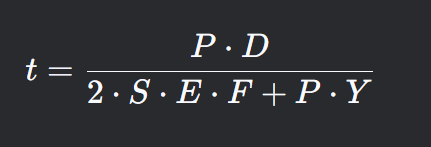
t: Minimum wall thickness (mm)
P: Design internal pressure (MPa)
D: Outer diameter (mm)
S: Allowable stress of the material
E: Weld seam coefficient
F: Safety factor
Y: Temperature correction coefficient
Bending strength verification:
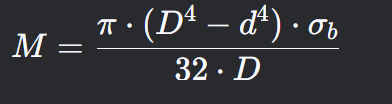
d is the inner diameter, and σb is the tensile strength.
3. What Are the Three Basic Piping Systems?
The three basic piping systems include vacuum piping systems, pressure piping systems, and gravity flow piping systems.
Vacuum piping systems: Commonly used in laboratory vacuum exhaust systems. Typically made of 316L stainless steel.
Pressure piping system: Commonly used in boiler feedwater systems. It consists of seamless steel pipes + flange connections + safety valves.
Gravity flow piping system: Commonly used in municipal drainage networks. Pipes are typically made of ductile iron or concrete.